
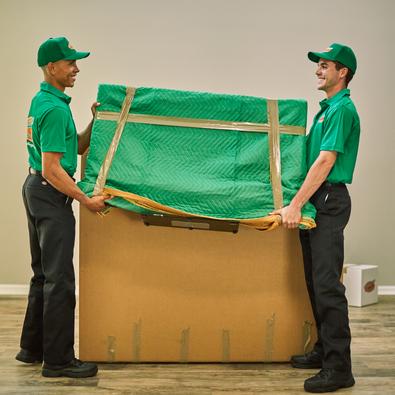

Key Takeaways
Measure each piece and gather proper supplies (glassine, archival paper, corner protectors, rigid cardboard) before packing.
Photograph every piece for insurance, and have a pro check cracked glass or flaking paint first.
Wrap by surface type: packing paper for glass, glassine for bare canvas, archival paper for prints.
Cushion the box so nothing shifts when shaken, then seal, mark fragile, and add up arrows.
Long-distance moves need double-boxing or crating plus climate control. Load artwork upright, strapped, and unload it first.
How To Pack Artwork for Moving: A Step-by-Step Guide
If you’re moving artwork to a new home, you need more than bubble wrap and boxes to keep it safe. A frame can chip if it bumps against other belongings, and an exposed canvas can dent under the pressure of heavy containers. Figuring out how to pack artwork for moving means looking at each piece individually—a picture behind glass needs different packaging than a sculpture with delicate details.
This article explains how to choose the right protection and get your artwork ready for the trip. If you're unsure how to pack a piece that means a lot to you, College HUNKS Hauling Junk & Moving can help keep your most precious objects safe and secure.
How To Pack Artwork for Moving: Step-by-Step
To start, clear a table large enough to support the entire piece and cover it with a clean, soft cloth. Have your supplies within reach so you don’t need to leave artwork balanced against a chair while you look for tape.
1. Choose Your Boxes and Packing Materials
Measure each piece, including the frame, before buying boxes. If you’re deciding how to pack framed art for moving, a picture or mirror box is a good starting point. They’re designed to keep pieces from rattling around too much.
Along with your boxes, gather:
- Plain packing paper
- Packing peanuts
- Glassine paper
- Acid-free archival paper
- Foam or cardboard corner protectors
- Rigid cardboard sheets
- Bubble wrap or cushioning foam
- Packing tape
- Scissors
- Marker
2. Inspect and Prepare Each Piece
Before packing pictures, take a photo of each piece. Documenting the object’s condition is especially useful when packing valuables that need to be insured. If you find wobbly frames, cracked glass, or flaking paint, have a professional framer or art conservator take a look before you wrap it.
You can clean a dusty frame with a clean, dry microfiber cloth. Don’t wipe the painted surface or spray cleaner onto the piece. Keep any loose hanging hardware in a separate labeled bag so it can’t scratch anything during the move.
3. Protect the Surface and Corners
When deciding how to wrap artwork for moving, take a look at the piece’s surface. You can wrap a glass-covered picture in plain packing paper and add corner protectors. Avoid using newspaper to wrap frames and artwork, since the ink can rub off. Place rigid cardboard over the front and back, then wrap the package in bubble wrap or cushioning foam. Only use tape on the packing materials, not the artwork itself.
Keep the layers secure without pulling them so tightly that they press into the glass. The cardboard should shield the face of the piece without bending.
If you’re packing an unframed painting, make sure to pick up some glassine, a specialized clear paper designed to resist moisture, air, and grease. If you’ve got gelatin-based photographic negatives or silver gelatine prints, opt for archival paper instead. Gently wrap the exposed surface, and then proceed with the rest of the packing materials.
Keep stretched canvas on its wooden supports. If you have an original piece, ask an art packer about a travel frame. These specialized frames stabilize the canvas and protect it with a rigid cover that won’t bump into the paint. They have built-in padding for shock and vibration absorption, so you don’t need to use loose packing materials that could scratch the surface.
Learning how to pack canvas art for moving can feel tedious, but doing it the right way will save you peace of mind.
4. Cushion, Close, and Label the Box
Pad the bottom of the box with foam or paper before lowering the wrapped piece inside. Fill the remaining gaps so the artwork stays in place. You may be able to layer multiple sturdy prints into one container. But large or especially delicate pieces should get their own box.
Close the flaps and gently shake the box. If the artwork shifts, adjust the cushioning. You should be able to close the box without forcing it.
Seal the seams with packing tape, mark the box “fragile,” and add arrows to indicate which way is up.
How To Pack Art for Moving Long Distance
Long-distance moves expose artwork to bumps and vibrations on the road for longer periods, so take extra precautions when packing. You can place the packed artwork inside a larger, sturdy carton with padding on every side. Oversized or particularly fragile pieces may need a custom crate.
Temperature and humidity changes also matter when packing paintings for moving.Extra bubble wrap won’t protect them from prolonged heat or damp conditions. If you’re relocating to another state or across the country, look for a transport option with temperature and humidity controls.
How To Pack Unique Types of Artwork
Posters and Prints
A wide shipping tube can work well for a large, flexible poster. Place it on acid-free paper and gently roll it before sliding it into the tube. Keep valuable or brittle prints flat in protective archival folders that offer more rigid support.
Sculptures and 3D Pieces
Protect the surface of the sculpture by wrapping it in pH-neutral paper or a soft cloth. Wrap it again with a layer of bubble wrap, paying special attention to fragile protrusions. It’s important to keep the sculpture’s base secure, so prep the box with foam or paper.
Place the object into the center of the box, and begin filling the space around it. Packing peanuts can be especially useful. Gently shake the box to make sure the sculpture doesn’t shift. Tape up that box, and then place it in a larger box. Fill the space between the two boxes with packing materials, then seal and label the container.
What Happens If You Pack Artwork Incorrectly?
A box can arrive looking fine while the artwork inside is damaged. You might not notice a crack or scuff until you remove the wrapping.
Look for:
- Cracked or warped frames: A compromised frame exposes a piece of art to harmful dust, grease, and moisture. It also exposes the work to dents and punctures.
- Shattered glass: Loose shards can scratch or cut the artwork.
- Excess movement: If you don’t use enough stabilizing packing materials around a piece of art, it can dent or break in transit. This is especially true for sculptures and 3D pieces.
Tips for Loading and Transporting Artwork Safely
Careful wrapping can only do so much if you put heavy objects on top of your packed artwork. Label all your fragile items clearly and put them in their own section of your moving vehicle. If you hire professional movers, make sure they know which boxes they need to handle extra carefully.
Always keep your boxes upright, and use ratchet or buckle straps to keep them from tipping in transport. Don’t stack boxes on top of artwork or lean furniture against it. Secure nearby belongings separately, so they can’t slide into your fragile pieces when the vehicle turns or brakes. You can also take your artwork with you in your personal vehicle to avoid it jostling into other boxes.
If possible, unload all your fragile and valuable items first. This limits their exposure to a hot vehicle and protects them from getting bumped.
Get Help Packing Artwork With College HUNKS
Packing artwork for a move can be a slow and tedious process. But it saves you the heartache of damaging sentimental or irreplaceable items.
If you’d rather let the pros handle your most valuable or fragile artwork, give College HUNKS a call. Whether you want our trained crews to manage the packing or a full-service move, we’re ready to help make your day a little easier. Contact us today for a free, no-obligation estimate.
Related Articles

Nationwide Locations
With over 200 locations in the US and Canada, you can find the right location for your needs.

Upfront Pricing
Before we begin any work, you'll always receive a free, no-obligation estimate.

Many of the questions we receive start with the simple phrase, "Can you move?" followed by several different questions about what our local moving and junk removal company can accommodate.
Frequently Asked Questions
Do You Need Special Boxes for Artwork?
Picture or mirror boxes work well for larger framed pieces. A small photo frame can go in a sturdy standard box if you have enough padding to keep it secure.
Can You Pack Several Pictures in One Box?
Yes, small, sturdy frames can share a box if each piece is individually wrapped and packed with rigid dividers between them. Pack large or delicate pieces separately.
When Should You Hire a Professional Art Mover?
Hire a specialist for valuable originals or artwork that needs custom crating. Get professional advice before packing damaged pieces, and confirm the mover has experience handling artwork like yours. Before booking, review your moving insurance options and confirm what protection applies to your artwork.
What items do you take?
We take almost anything non-hazardous: furniture, appliances, electronics, yard waste and more.
Where do my donated items go?
We partner with local charities to give usable items a second life.
Do you work with businesses?
Yes. We partner with national brands for moving and junk removal services across the country.
How do I open a franchise?
Visit our franchising page to learn about requirements and start the conversation with our team.
How do you use my information?
We only use your information to provide and improve our services. See our Privacy Policy for details.
Hear From Our Happy Clients
The crew was on time, friendly and incredibly efficient. They had our whole garage cleared in under an hour.
Professional from start to finish. They wrapped all of our furniture and nothing was damaged.
Great communication and fair pricing. I will definitely use College Hunks again.
They donated most of our old furniture, which meant a lot to us. Highly recommend!
Fast, careful and polite. The team made our move stress-free.
Booked online in minutes and the crew showed up exactly when promised.