

Key Takeaways
Size up the job first: measure doorways and tight turns, then clear the full route to the truck.
Empty and disassemble before lifting, keeping hardware in a labeled bag.
Use the right gear: sliders, dolly, hand truck, straps, blankets and closed-toe shoes and gloves.
Lift with your legs, pivot with your feet, and use high-low or the L-hook trick for tall or awkward pieces.
Protect floors with the right sliders and runners, and call pros for heavy loads, multiple staircases, or tight timelines.
How To Move Heavy Furniture Without Hurting Yourself
There's more to moving furniture than just being strong enough. It’s much easier to manage a large dresser, sofa, or other bulky piece when you have the right tools and know-how. Many DIY moving mishaps happen when you go in without prep and realize you’re in for a challenge after the lifting starts.
Knowing how to move heavy furniture safely means sizing up the job before anything leaves the ground. Confirm you have the strategy, equipment, and extra hands—then dive in.
Read on to learn what moving supplies and lifting techniques you need, how to protect your floors, and when to call professional movers.
Heavy Furniture Moving: Tips and Techniques
Prepare for the move by taking a good look at the piece of furniture and the space around it. Consider how heavy it is and whether or not you can get a secure grip. Once you confirm you can comfortably move it, use these tips to successfully perform the job from start to finish.
Measure Doorways and Hallways
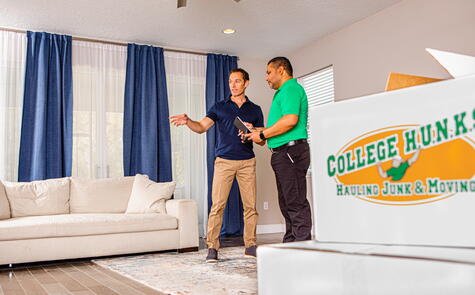
Grab a tape measure, and get to work. Compare the widest and tallest points of the item with your doorways, hallways, and any tight turns along the way. Remember to account for spots that can steal a few inches of clearance, like door frames and railings.
Map Your Route
Before you pick anything up, walk the entire route you'll haul your furniture. This means going from the room the furniture is in all the way out to where the moving truck will park.
Move any objects that might get in your way, like rugs, cords, and boxes, and pay extra attention to clearing the stairs. The end goal is a clear route so you don't have to stop and move anything out of your way as you go.
Use the Right Equipment
The right equipment makes moving a big piece of furniture much more manageable. When moving items across flat surfaces, furniture sliders let you ease objects without lifting, and dollies help you navigate slightly rougher terrain (like clearing divider moulding). Lifting straps also help, but be sure to follow the manufacturer’s directions, keep the load balanced at all times, and enlist help if you need it.
Empty and Disassemble It First
Moving a fully loaded dresser is a recipe for muscle strain and spilled objects. Remove any detachable parts on the furniture to reduce the item's weight and stop loose pieces from shifting, including shelves, cushions, and drawers (and anything within them). If you can, disassemble large pieces like bed frames and sectional sofas.
Pro tip: If you’re disassembling something, keep the hardware safe and secure in a labeled container or bag so you can reassemble it easily later.
Dress for the Job
Moving day probably isn’t the best time to wear flip-flops. Wear well-fitting, closed-toe shoes with good traction and clothes that let you bend and move comfortably. If you have them, slip on a pair of gloves—they’re a great way to improve your grip on slippery or awkward surfaces.
How To Move Large Furniture Safely: Tools and Equipment
Tools designed for moving heavy furniture reduce how much manual handling the job requires. Many basic moving supplies are inexpensive to buy, like sliders and blankets, but pricier tools like dollies and hand trucks are typically available to rent.
Here’s some equipment to consider having on hand:
- Furniture sliders: These sit underneath heavy furniture so you can move it across the floor without carrying it. Choose sliders designed for your flooring, like felt pads for hard surfaces or plastic options for carpet.
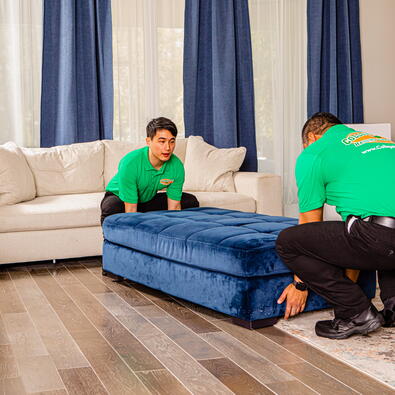
- Furniture dolly: A furniture dolly is a low, four-wheeled platform that lets you roll large items across flat surfaces once you position the load securely. Check the dolly's weight capacity first, add the item, and make sure the furniture is centered and stable on the platform as you roll.
- Hand truck: A hand truck stands upright and uses two wheels to transport a load. It's a helpful option for taller bulky pieces, but the item must rest securely against the frame and stay within the equipment’s rated capacity.
- Lifting straps: Sometimes called moving straps, these items help you get a more secure hold on awkward furniture and distribute some of the weight while you carry it.
- Moving blankets: Moving blankets are an excellent way to pad furniture, like dressers and sofas, protecting the item itself and finished surfaces from bumps and scratches as you move.
How To Move Heavy Furniture Confidently: Safe Lifting Techniques
When you're moving heavy furniture, excessive bending, awkward reaches, and sudden movements all increase your risk of injury. Proper lifting techniques like the ones below help you stay in control.
Use Your Legs
Use your legs to lift instead of your back. To do this, get close to the furniture, bend at your hips and knees, and keep your spine in a stable position as you lift. Keep the load as close to your body as you comfortably can, and stand up in one controlled motion. When you need to change direction, move with your feet instead of twisting at your waist.
Go High-Low for Tall Pieces
A tall piece of furniture like a dresser is easier to maneuver if you find a friend: when one person supports the upper end, the other can support the bottom. Before you move the item, agree on which person will call the shots and how you'll communicate stops or direction changes. Be sure the person carrying the upper half patiently holds it steady when the other person sets their side down.
Try the L-Hook Method
If your arm chair or loveseat won’t fit around a corner, try the L-Hook technique. Turn the piece on its side, and the back and bottom should form an L shape. Then, guide one end through the doorway so the piece gradually “hooks” around the corner. This method can save your muscles and the finish on your walls and door frames.
Moving Furniture Without Scratching Floors
If you don't take the right precautions, moving that sofa or dresser can leave behind an unwanted reminder of moving day—right across your hardwood floor. Here's how to protect your home:
Match furniture sliders to the floor: Use felt sliders for hard flooring and plastic sliders for carpet. Place the sliders securely underneath the furniture before you move it, and maneuver the object gently. Always follow the product directions for your specific flooring.
Cover high-traffic paths: Protect your floors with cardboard or floor runners anywhere you expect lots of foot traffic. This guards against wear and tear.
Pad tight spots: Cover areas, like door frames and banisters, that bulky furniture could bump on its way through. If this is too troublesome, wrap your furniture in moving blankets to add a protective barrier between surfaces and the item you’re moving.
When To Call the Pros
Some furniture moves are perfectly manageable—you might even learn how to move heavy furniture by yourself with a little planning and the right tools. Others reach a point where adding more muscle and equipment isn't the answer. Here's how to spot the difference:
The item weighs more than one or two people can safely lift: When you can't comfortably control the weight or get a secure grip, don’t force it. Professional movers have the people, knowledge, and equipment to handle a tough lift
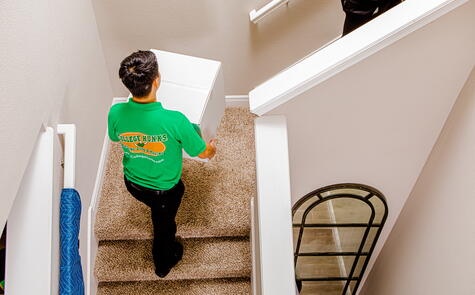
There are multiple flights of stairs: One staircase can change how you need to handle a large piece of furniture, and multiple flights add even more turns and tight spots to navigate. Expert movers have necessary experience to navigate narrow, long staircases safely.
The furniture needs to go through narrow hallways or tight corners: Narrow hallways, sharp corners, and tight doorways make moving a sofa or dresser more challenging. An experienced team already knows how to tackle these tricky angles, which protects you, your belongings, and your home.
You don't have the right equipment: Tools like furniture dollies and hand trucks reduce strain and speed up your move. When you don’t own the right equipment and renting it isn’t practical, movers are a lifesaver: They always bring the equipment to safely get the job done.
You're on a tight timeline: A tight timeline disappears quickly when your sectional sofa just won’t cooperate. Moving furniture can drain your daylight, but trying to hurry along can cause injury or home damage. Hiring a moving company keeps you on track to finish without the rush.
If any of these strike a cord, reach out to College HUNKS Hauling Junk & Moving. Our trained teams know how to move furniture quickly and safely. Whether you’re looking for a full-service move or just hourly labor to help load your rental truck, our crews are happy to lend a helping hand.
Hire College HUNKS to Move Your Heavy Furniture
Moving heavy furniture is less about muscle and more about having a game plan. Measure your route, clear the way, and use proper lifting techniques. Don’t forget to grab the right equipment if you need it.
If you're not up for the heavy lifting, let College HUNKS’s trained and insured professionals do it for you. Request a free, no-obligation estimate today and our HUNKS will take the weight off your shoulders.
Related Articles

Nationwide Locations
With over 200 locations in the US and Canada, you can find the right location for your needs.

Upfront Pricing
Before we begin any work, you'll always receive a free, no-obligation estimate.

Many of the questions we receive start with the simple phrase, "Can you move?" followed by several different questions about what our local moving and junk removal company can accommodate.
Frequently Asked Questions
Can you move my piano?
Yes. Our movers are trained to handle pianos and other heavy, delicate items with the right equipment.
Do you provide packing supplies?
We offer boxes, tape and padding, and we can pack everything for you.
What items do you take?
We take almost anything non-hazardous: furniture, appliances, electronics, yard waste and more.
Where do my donated items go?
We partner with local charities to give usable items a second life.
Do you work with businesses?
Yes. We partner with national brands for moving and junk removal services across the country.
How do I open a franchise?
Visit our franchising page to learn about requirements and start the conversation with our team.
How do you use my information?
We only use your information to provide and improve our services. See our Privacy Policy for details.
Hear From Our Happy Clients
The crew was on time, friendly and incredibly efficient. They had our whole garage cleared in under an hour.
Professional from start to finish. They wrapped all of our furniture and nothing was damaged.
Great communication and fair pricing. I will definitely use College Hunks again.
They donated most of our old furniture, which meant a lot to us. Highly recommend!
Fast, careful and polite. The team made our move stress-free.
Booked online in minutes and the crew showed up exactly when promised.