
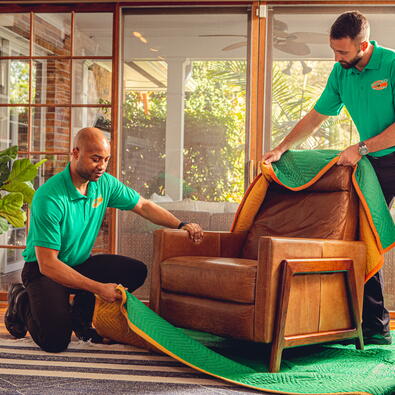
How To Wrap Furniture for Moving: A Step-By-Step Guide
When furniture hits the road without the right protection, you’re taking a risk on treasured belongings. Putting your antique couch and favorite coffee table in a moving truck as they are could cause unsightly damage, like scuffed wood, torn upholstery, and cracked glass.
Luckily, the right supplies and know-how prevent these mishaps and let your furniture arrive safely. Properly wrapped furniture can gently shift and sway during transit without taking a beating. All it takes is some packing materials and this straightforward guide—and if you want it—a helping hand from licensed movers.
Read on to learn how to wrap furniture for moving. We’ll discuss the best materials and techniques for securing your items, plus the benefits of hiring professionals.
What Supplies Do You Need To Wrap Furniture?
Whether you’re wrapping furniture in plastic, blankets, or both, you’ll need a few key supplies to get started. Here’s what to stock up on:
- Stretch wrap: This is your first line of defense for upholstered items. Bundling sofas and chairs with stretch wrap protects them against dust and staining. It can also hold moving blankets in place.
- Moving blankets: Padded blankets are one of the best ways to wrap furniture for moving as they absorb impact, prevent scratches, and cushion protruding edges.
- Packing tape: Strong tape secures the ends of other packing materials, like stretch wrap and cardboard sheets, so nothing unravels in transit.
- Bubble wrap: This protects fragile items, like mirrors and furniture with glass tops, from cracking and chipping. The air-filled bubbles absorb shock and create a cushion around valuables.
- Cardboard sheets: Using cardboard is an underrated packing tip. It protects hard, flat surfaces like headboards and tabletops from direct contact with other items in the moving truck, preventing dents and scratches.
- Corner protectors: These safeguard the vulnerable corners on tables, cabinets, and dressers. They absorb impact and prevent chips, especially when you’re setting items in the moving truck or maneuvering them through doorways.
- Moving straps: Thick lifting straps evenly distribute weight across your shoulders and back when lifting furniture. These help prevent strain and injury, but it’s often best to call in the professionals to move large items.
- Tie-downs: These secure large, heavy furniture pieces inside the moving truck. This prevents shifting and sliding, which can damage the furniture itself and anything it slides into.
How To Wrap Different Types of Furniture
Here are some tips for securing different furniture materials and styles.
Wooden Furniture
Wrap the entire piece in moving blankets, and use stretch wrap to secure them. Pay extra attention to the furniture legs and corners, since these areas are more likely to get dinged.
The order is important: Always start with moving blankets. Never apply stretch wrap directly to wood surfaces. The plastic traps moisture and condensation against the finish, which can lead to warping and surface damage.
Upholstered Furniture
If you’re wondering how to wrap a sofa for moving, start with stretch wrap. Unlike wood, fabric doesn’t trap condensation, so you can bundle sofas, chairs, and ottomans directly. Wrapping protects the furniture from dust and dirt, keeping it clean and dry during your move.
If possible, remove the cushions and legs, and bundle them individually. Then, tightly wrap the entire sofa in stretch or plastic wrap, starting from the bottom.
Glass Tabletops and Mirrors
Wrap fragile items in a few layers for added security: Lay packing paper flat against the entire glass or mirrored surface, then follow it with bubble wrap for cushioning.
Cut cardboard sheets to size and lay them across the surface for stability, then secure the edges with packing tape. Never use packing tape on bare glass. This can leave sticky residue that’s a headache to remove.
Pro tip: Always remove breakable components from larger furniture pieces when you move. For example, remove the glass tabletop from your dining table and the mirror from your dresser. This lets you carefully pack them so they don’t shift or slip during transit.
Headboards
Wrap headboards in moving blankets. Reinforce the blankets with cardboard sheets, and secure everything with stretch wrap.
The corners of these furniture pieces are susceptible to chips and cracks, so wrap them in a few extra layers of plastic wrap for added protection. If the headboard is fragile—like rattan or gesso pieces—add bubble wrap over the first layer of plastic and keep it in place with packing tape.
Wrapping and Packing Furniture for Moving: Step-by-Step Guide
Follow these seven steps to get your furniture ready to go.
1. Clean It First
Wipe your furniture down. You don’t want any dust or debris trapped underneath wrapping materials like plastic. This grit acts like sandpaper during transit, grinding against surfaces when the moving truck hits a bump.
For wooden furniture and glass tabletops, use a soft microfiber cloth and a gentle cleaner. Upholstered furniture like sofas benefit from thorough vacuuming. If you’re moving anything leather, like arm chairs and loveseats, use a specialized leather cleaner.
2. Take Some Photos
Don’t reach for a wrench or a screwdriver until you photograph any furniture that needs disassembly. This gives you a clear reference point and sidesteps assembly confusion when you put it back together at your new place.
Photos also show you personal preferences. Some furniture is modular and can fit together in multiple ways. Taking photos helps you remember exactly how you had it.
3. Disassemble Your Furniture
Take apart any furniture that’s easily broken down. Smaller, separate pieces are significantly easier to wrap, load, and fit through tight doorways. If possible, remove cushions from upholstered items, too.
Store all of the hardware, like screws and bolts, in clearly labeled plastic bags. You can organize the bags by taping them to the furniture—just make sure to use painter’s tape for delicate surfaces so you don’t damage finish or upholstery.
Dissembling is a common way to prepare furniture for movers and lets the professionals get straight to work. However, services like College HUNKS offer furniture disassembly and assembly. Our friendly teams lift the whole process off your shoulders, from packing and loading to transporting and furniture arranging.
4. Take Some Measurements
Packing sofas for moving is pointless if you can’t get the wrapped furniture through your new home’s doorway. Before you add any padding or stretch wrap, measure each item’s width, height, and depth. Then, measure the doorframes and stairwells in your current and new homes.
Wrapping adds a few inches to your dimensions, so it’s best to measure afterward, too. Knowing your clearance means you can flag tight spots in advance and plan a path for each piece.
5. Wrap Your Furniture
Wrap your furniture according to the type of material—use our guide above, and pack each piece carefully. Cushion wooden furniture with blankets, then secure the edges with plastic wrap. Layer paper, bubble wrap, and cardboard over glass. If you’re ever in doubt, call in the professionals to get expert advice and hands-on help. Our courteous teams at College HUNKS are more than happy to lend a hand no matter what you’re moving.
6. Use the Right Equipment
Even perfectly wrapped furniture gets damaged if someone carries it incorrectly or sets it down too fast. Luckily, there are tools to help you protect your items so they arrive in one piece.
For example, furniture sliders let you glide items across flat, hard floors and moving straps distribute the weight of heavy pieces, reducing back strain and the risk of an accidental drop.
7. Load the Moving Truck Strategically
Start with the heaviest furniture pieces, like sofas and dressers, and place them toward the back. Position them against the walls, and fill the empty spaces with soft items like pillows and moving blankets to prevent shifts during transport.
Never stack heavy items on top of glass items. Even moderate pressure can lead to stress fractures. Transport glass and mirror items vertically—when laid horizontally, they’re more likely to crack or shatter in the moving truck. Vertical angles keep glass stable against road vibrations and prevent pieces from cracking under their own weight.
Let College HUNKS Lend a Hand
Wrapping sofas, dressers, and mirrors is possible, but it takes time and effort. If you have enough on your plate with a hectic move, reach out to College HUNKS.
Our professional movers know how to protect furniture when moving, so your belongings arrive safely without the extra sweat on your part. We bring the know-how and supplies to secure cumbersome beds, delicate glass tables, and antique bookshelves.
Beyond the technical packing skills, hiring professionals to pack up and transport your furniture prevents stress and back strain. It lightens the load on moving day and lets you focus on your full moving checklist.
Whether you’re relocating across the town or the country, College HUNKs will manage the packing, furniture wrapping, and moving for you. There’s no need to do it yourself—trust the professionals instead. Get a free estimate today.