
Things To Do When Moving Into a New Home: Complete Checklist
What Things To Do When Moving Into a New Home?
You've got the keys to your new home, and the excitement is real. But before the space feels like yours, there's a long list of things to do when moving into a new home, from securing the property on day one to finding a rhythm that lasts well beyond your first week.
This new home checklist walks you through that process step by step, starting with safety basics and moving through, cleaning, unpacking, and long-term settling in.
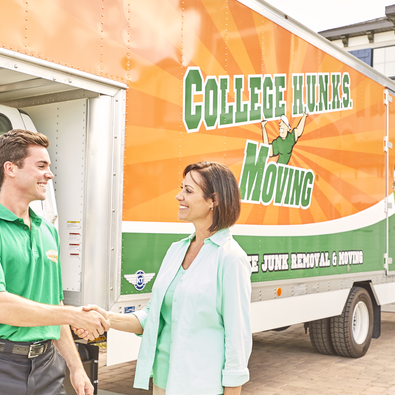
If you'd like help with moving or unpacking, College HUNKS Hauling Junk & Moving offers support at over 200 locations, letting you focus on making the house a home instead of juggling tasks.
And if you haven't finished prepping for movers yet, it's worth handling that before diving into this list.
1. Set Up Utilities and Redirect Your Mail
Some of the first things to do after moving into a new house include getting utilities working and ensuring mail reaches the right address. These steps shouldn't wait until you've already unpacked. Start contacting utility providers about two to four weeks before your move so electricity, gas, water, and internet are activated by move-in day. Build in extra time if you're closing on a home or starting service with a new account, as some providers need proof of occupancy first.
Your mail needs the same headstart. Submit a forwarding request through your local postal service, then update key accounts directly so nothing important depends on forwarding alone:
- Financial accounts: Banks, credit card companies, and loan providers
- Insurance: Home, auto, and health providers
- Employer and government: Your HR department, along with federal and state tax agencies
- Everyday services: Subscription boxes, streaming services, and online shopping accounts
2. Day One Safety and Access Priorities
Before you tackle anything cosmetic or long-term, take care of the basics that keep your home secure and your family safe. These priorities are about confirming access and knowing exactly how your home's critical systems work before you need them in an emergency.
Processes for moving insurance coverage vary by provider, so double-check that yours still protects your belongings during this transition.
Change the Locks and Update Security Codes
Change or rekey exterior locks as soon as possible, ideally before or immediately after move-in. Depending on your situation, you may need to coordinate with a locksmith or a landlord. While you're at it, update the codes on your garage door and any smart locks or security systems.
Test Smoke and Carbon Monoxide Detectors
Test each smoke and carbon monoxide detector in the home and replace batteries if needed. If you can't verify a unit's maintenance history, or it's on the older side, consider replacing it outright. Check the manufacturer's date on carbon monoxide detectors and update them according to the manufacturer's recommended lifespan.
Look for a home-rated fire extinguisher on each level of the house, and confirm it hasn't expired. If your new home doesn't have these, add them to your first week shopping list along with the detector batteries.
Locate the Water Shutoff and Electrical Panel
Find your water shut-off valve and electrical panel early on, not after a pipe bursts or a breaker trips. As you identify each breaker, label it by room or circuit so you're not guessing during an outage, and make sure everyone in your household knows where both are.
3. Deep Clean Before You Unpack
An empty home is far easier to clean than one filled with furniture, so tackle this step before your boxes arrive if you can. Even homes marketed as move-in ready can carry dust, pet dander, and grime left behind by previous occupants. Don't skip this just because the place looks clean at first glance. Working through a move-in cleaning checklist room by room helps you catch spots that are easy to overlook once boxes start piling up.
Focus on:
- Floors and carpets: Vacuum, mop, or steam clean is appropriate to clear away allergens and lingering odors.
- Cabinets and shelving: Wipe down interiors, including closet shelves, before storing dishes or pantry items.
- Appliances: Clean the inside, outside, and undersides where grime tends to collect, including the fridge, oven, dishwasher, and microwave.
- Air vents and ceiling fans: Dust these often-overlooked spots to reduce buildup and help the home feel fresher.
Baseboards and window sills: Wipe down these edges, which tend to collect dust that is easy to miss during a quick clean.
4. Stock Each Room With First Week Essentials
Unpacking every box on your first day just isn't realistic. A per-room essentials box, packed ahead of time, belongs on your checklist for moving into a new home. Set these items aside so you can find them immediately without digging through stacks of unlabeled boxes. If you’re relocating a longer distance, packing for a long-distance move often means prioritizing these essential boxes since other belongings may be in transit for days.
- Bathroom: Towels, toilet paper, toiletries, and a shower curtain
- Kitchen: Easy meals, trash bags, dish soap, basic cookware, and paper towels
- Bedroom: Bedding, pillows, hangers, and a few days' worth of clothes
- Laundry room: Detergent and a hamper
- General: Light bulbs, batteries, phone chargers, cleaning supplies, and a flashlight
5. Tackle Minor Home Improvements While the House Is Still Empty
An empty house gives you room to work that you won't have once your furniture is in place. Projects like painting walls and refinishing floors are easier to complete cleanly when you don't have to protect belongings. Messy repairs are also simpler to manage before you move in.
Handling this work early can save you from living in dust, noise, and temporarily unusable rooms. Getting the bigger jobs done before move-in means you can settle into the finished space instead of a construction site. These projects pair naturally with the broader tasks on an essential moving checklist, since all are easier to knock out before your schedule fills up with day-to-day obligations.
6. Settle In for the Long Term
Once the urgent tasks are handled, your new homeowner checklist is about the systems that make daily life easier going forward. Review everything you did when moving to confirm nothing slipped through the cracks. Then you can take your time nesting and settling.
Unpack gradually rather than trying to finish everything in a weekend, starting with the bedroom, bathroom, and kitchen before working through less essential rooms. Keep appliance manuals, warranty documents, and important paperwork, like your lease or closing documents, together so they’re easy to find later.
A structured maintenance schedule goes a long way, too. Set reminders for recurring tasks like changing HVAC filters, testing smoke and carbon monoxide detectors, and handling seasonal upkeep so small things don't turn into problems later. Taking your time with these systems, rather than rushing everything on day one, helps your routine hold up once the move-in excitement wears off.
Make Your Move-In Manageable With College HUNKS
Moving into a new house with a checklist makes the transition feel less chaotic when you tackle essential tasks in order. Secure the property, set up utilities, de-clutter, and build a settling-in routine. That turns an overwhelming list into a series of manageable steps.
If you'd like support with any of these steps, College HUNKS Hauling Junk & Moving offers moving, packing and unpacking, and junk removal services to lighten the load.
Reach out for a free, no-obligation estimate and let a team that handles moves every day take on the physical work.
FAQ
What Should I Do First When Moving Into a New Home?
Start by securing the property. Change or re-key the exterior locks, test your smoke and carbon monoxide detectors, and locate your water shutoff and electrical panel before anything else. These safety basics protect you and your household from day one, even before utilities and cleaning are fully sorted.
What’s Essential To Remember When Moving?
Don't forget to redirect your mail and update your address with your bank, insurance provider, employer, and any other important accounts. It also helps to pack an essentials box for your first night, so you're not digging through unlabeled boxes for a towel or basic toiletries.
How Do You Settle Into a New Home Quickly?
Unpack gradually, starting with the bedroom, bathroom, and kitchen, rather than trying to finish everything at once. Building a simple maintenance routine, like setting reminders for HVAC filter changes and detector tests, also helps the home feel manageable as you settle in.