
Real Talk: Hidden Home Safety Hazards You Probably Didn’t Know Were There
Your home might look safe, but there could be some sneaky risks hiding in plain sight. From slippery rugs to improperly stored cleaning supplies, here’s how to make your home safer without turning it into a fortress.
How to Spot and Fix Hidden Safety Hazards at Home
- Identify and eliminate hidden home safety hazards like loose cords or wobbly furniture
- Use simple, low-cost fixes to prevent accidents
- Stay proactive with easy, everyday household safety tips
- Keep spaces organized to reduce clutter and reduce risks
You don’t need to go full “Home Safety Inspector Mode” to keep your home safe—you just need to know what to look for.
1. Loose Cords and Cables: Tripping and Tipping Hazards
We’re looking at you, phone charger dangling off the couch.
Why it’s a risk:
Loose cords can cause tripping accidents and, when pulled by kids or pets, may pull down electronics or lamps.
Quick Fixes:
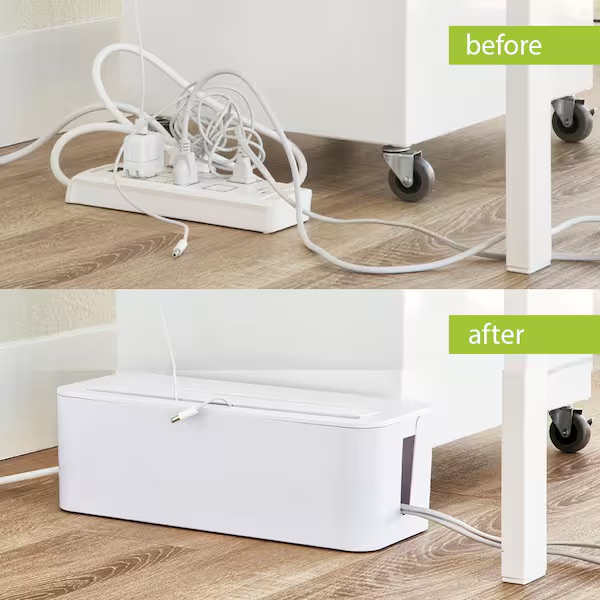
- Use cord organizers or Velcro straps to bundle them neatly
- Install cord covers along baseboards for high-traffic areas or tuck behind furniture
- Keep cords away from walkways, especially near beds and couches
Pro tip: Don’t run cords under rugs. It might look cleaner, but it’s a fire hazard.

2. Unsecured Furniture and TVs: A Tip-Over Tragedy Waiting to Happen
That cute little side table? Turns out it can be a problem when curious toddlers try to climb it.
Why it’s a risk:
Unanchored bookshelves, dressers, and TVs can tip over and cause serious injury, especially to kids or pets.
Quick Fixes:
- Anchor tall furniture to the wall using safety straps
- Mount TVs instead of placing them on flimsy stands
- Store heavier items in lower drawers to reduce the chance of tipping
Want bonus points? Secure that wobbly chair leg before someone takes a tumble.
3. Household Chemicals: Safe Products, Dangerous Storage
We’re all for a clean home, but let’s not store bleach under the sink next to the toddler’s snack stash.
Why it’s a risk:
Improperly stored cleaners, pesticides, and even laundry pods can be dangerous if ingested or spilled.
Quick Fixes:
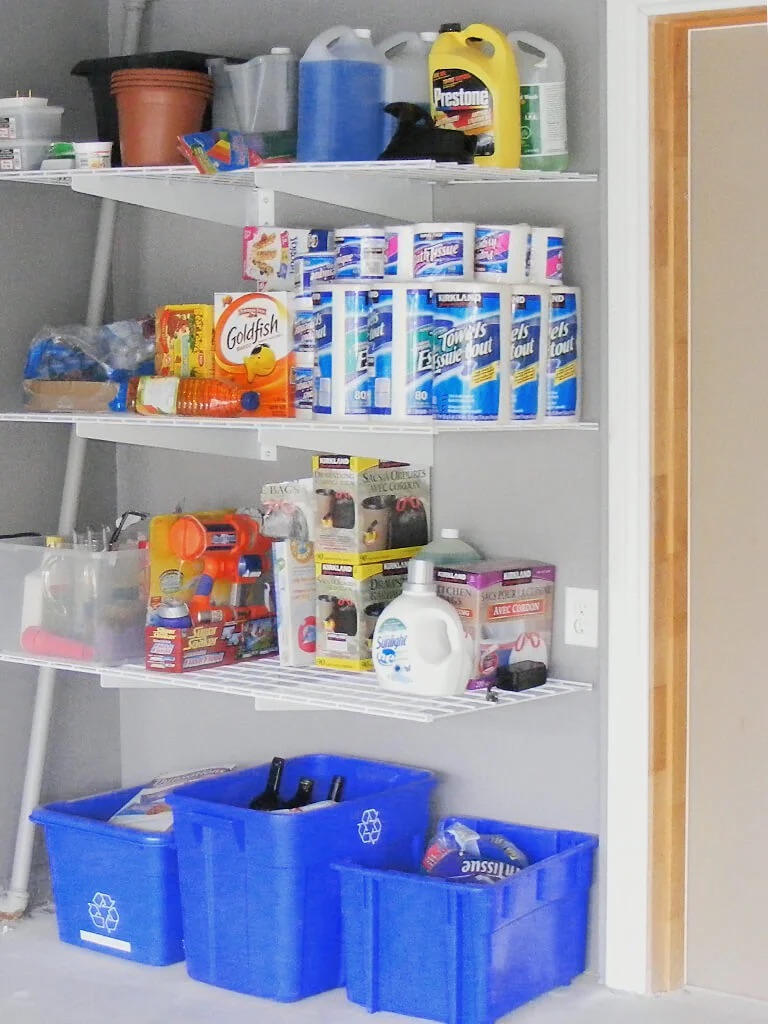
- Store all chemicals up high or in locked cabinets
- Never transfer products into unmarked containers
- Follow proper disposal guidelines for old or unused items
Also, never mix cleaners (like bleach and ammonia). It’s not a DIY super-cleaner, it’s a chemical hazard.
4. Rugs and Doormats: Slippery When Shifty
That cute welcome mat? If it’s curling at the edges, it might not be so welcoming after all.
Why it’s a risk:
Loose or uneven rugs and mats are a top cause of slips and trips.
Quick Fixes:
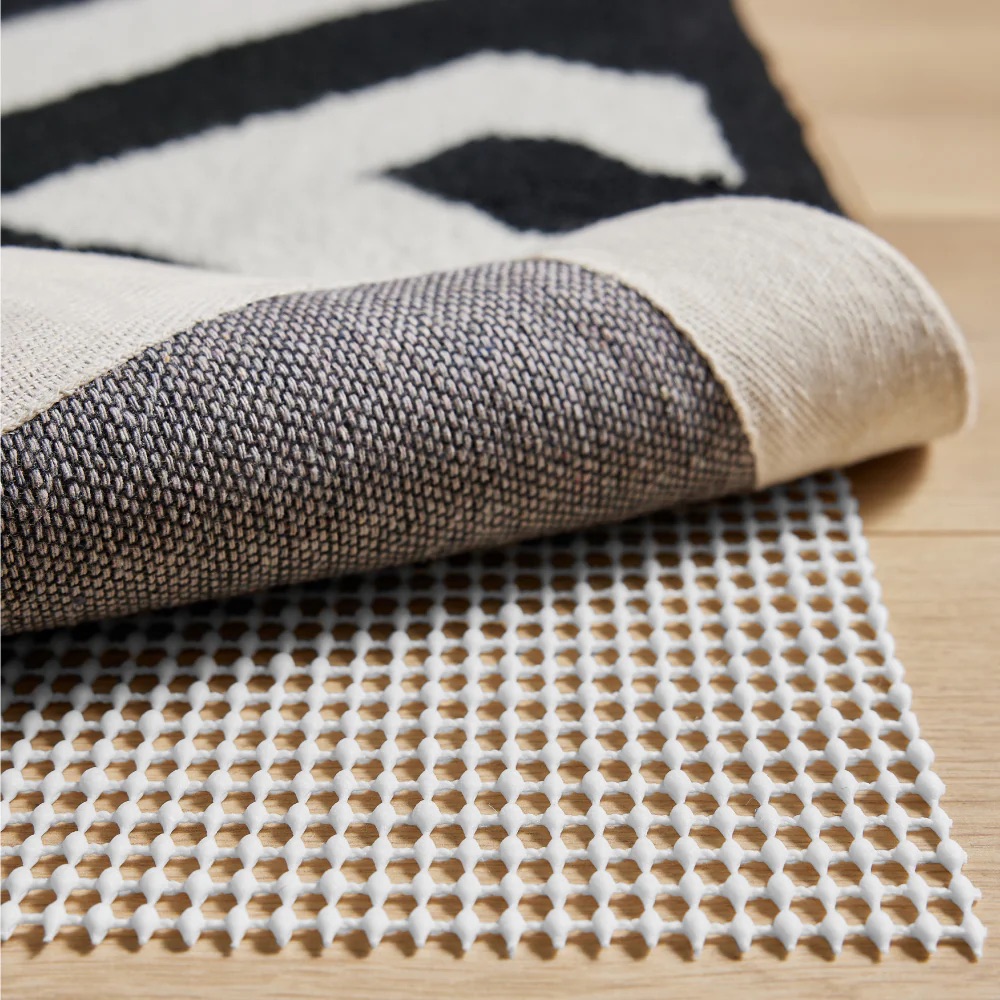
- Use non-slip rug pads or double-sided carpet tape
- Replace worn-out mats with ones that have rubber backings
- Smooth out corners and avoid layering rugs on top of carpet
And don’t forget bathroom rugs—they’re small, slippery, and always in the way when you're half-asleep at 6 AM.
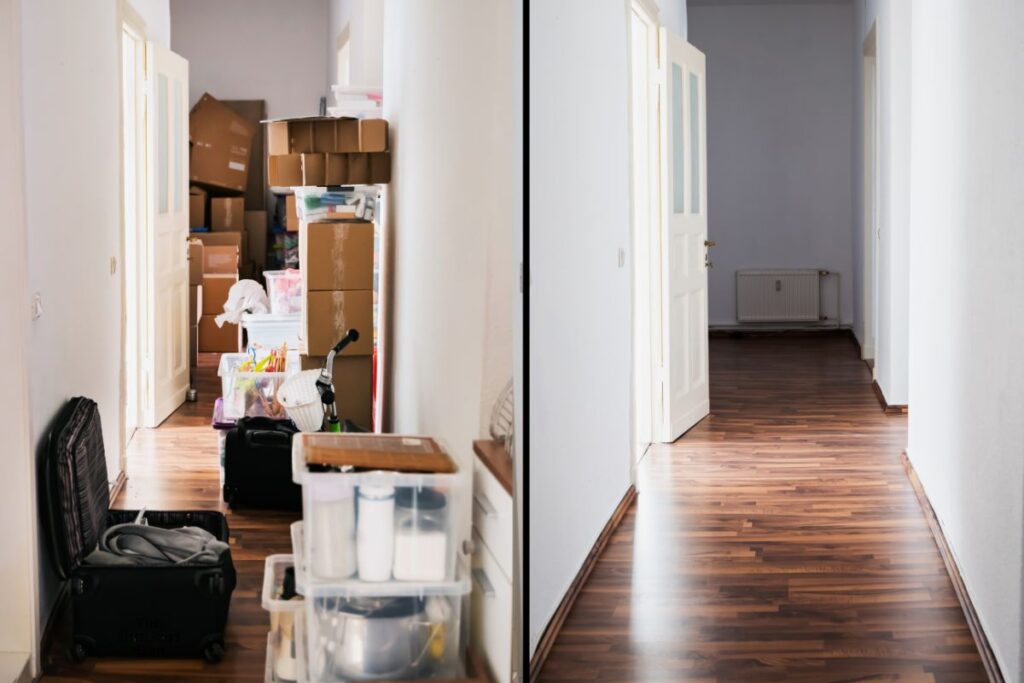
5. Cluttered Hallways and Stairs: Accidents Just Waiting to Happen
We’ve all done it: left a laundry basket on the stairs thinking, “I’ll move it in a second.” Famous last words.
Why it’s a risk:
Items left on floors, staircases, or walkways are major fall hazards, especially in low light.
Quick Fixes:
- Keep hallways and stairs completely clear
- Add motion-sensor night lights in dark corners
- Use baskets or bins to keep toys and shoes in designated spots
Decluttering isn’t just about aesthetics—it’s about not stepping on a LEGO at midnight.
Final Thoughts: Make Your Home a Safer (and Still Livable) Place
A safer home doesn’t mean turning it into a bubble-wrapped museum. It just means paying attention to a few key spots and making small changes that prevent big problems. These hidden home-safety hazards may not be obvious at first, but once you see them, you’ll wonder how you missed them.
Need help clearing out clutter, removing old furniture, or reorganizing after a safety check? Our team handles the heavy lifting—so you can focus on making your home a safer space for everyone.