
How To Get Rid of a Lawn Mower: 6 Ways
As you declutter your home, don’t overlook the old lawn mower taking up space in your garage. Unfortunately, getting it out of your way takes more than rolling it to the curb. Leftover gas and oil need careful handling, and you’ll need to check whether your local waste service accepts the mower itself.
Figuring out how to get rid of a lawn mower starts with its condition. If it still runs, sell it or pass it along to someone who needs it. If it’s beyond repair, try calling up recycling or junk removal services.
There are plenty of methods, and this article lays them all out. Learn how to dispose of a lawn mower, with six options based on what condition it’s in and how much work you want on your plate.
Before You Do Anything: Drain the Fuel and Oil
If you’re recycling or scrapping a gas-powered mower, plan to empty the fuel tank and drain the engine oil before it leaves your property. These fluids can leak during transport, posing potential hazards for anyone involved, so they need separate disposal.
Work outdoors with the engine off and cool, away from flames or sparks. Disconnect the spark plug wire, then use a hand-operated siphon pump rated for gasoline to transfer the fuel into an approved container (like a plastic jerry can or metal safety can).
Follow your mower’s manual to drain the oil into a catch pan or remove it with an oil extractor. Keep gas and oil separate in sealed, labeled containers.
Check your local household hazardous waste program for gasoline drop-off options. You can take used oil to a recycling center or auto service shop that accepts it. Never pour either fluid down a drain or onto the ground.
Pro tip: If you’re selling the mower, tell the new owner that the mower doesn’t have gas and oil. This is a helpful courtesy, and it assures them the mower they just bought isn’t defective.
How Can I Get Rid of a Lawn Mower?
With the preparation handled, you have six paths to consider. Start with the first three if your mower still runs and cuts safely. If the machine needs extensive repairs, browse the last three to dispose of it responsibly.
1. Find a Local Buyer
List your mower on Facebook Marketplace or in a neighborhood group. Add clear photos, the model number, and an honest description of its condition. Check similar listings before setting your price, and specify pickup if you don’t want to deliver it.
Include a short video of it running to help buyers decide whether to contact you—this shows the mower’s movements and noise levels.
2. Offer It to an Organization That Can Use It
A community garden, tool library, or nonprofit that maintains outdoor space may have a use for your working mower. Include any attachments and the owner’s manual if you still have them. You can also ask your local Habitat for Humanity ReStore if they accept working used mowers.
If you can’t deliver it yourself, ask College HUNKS Hauling Junk & Moving. Our trained crews pick up your unwanted items and drop them off where they’re really needed. Reach out to your local College HUNKS team and ask about donation pickup.
3. Ask an Equipment Dealer About a Trade-In
If you’re buying a replacement mower, ask the dealer whether your old piece could count toward the purchase. Dealers with mower trade-in programs can assess its value, and you might shave a bit off your final price tag. Compare the offer against what you might earn by selling it yourself to decide whether the convenience is worth it.
Of course, eligibility depends on the equipment and its condition—an equipment business may not accept your mower. If that’s the case, ask the shop whether they’re interested in buying it for parts.
4. Find a Recycler That Accepts Mowers
Even a mower that won’t start contains recyclable metal, including its blade, metal deck, and engine components. To find out how to recycle a lawn mower locally, call a scrap yard or metal recycling center and ask about preparation requirements. Keep in mind that some facilities charge fees, while others offer payment for the metal.
5. Have a Junk Removal Crew Collect It
A pickup service makes lawn mower disposal easier. You may not have a suitable vehicle or anyone to help you load it. You might simply want to avoid the heavy lifting and the muscle strain.
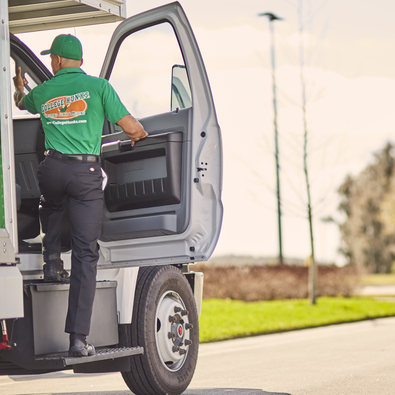
College HUNKS offers scrap metal pickup and recycling services. Our teams know how to handle, lift, and transport awkward equipment. We tackle responsible disposal in one sweep—our crews donate or recycle up to 70% of everything we haul away.
Check which items we accept, then tell your local team whether you have a push mower or riding mower so they can confirm prep requirements and whip up a quote.
6. Check Local Collection and Drop-Off Options
Call your municipal waste department, and ask about your local disposal options. These professionals can tell you where to dispose of a lawn mower and whether it qualifies for bulky-item collection or a designated drop-off program. Ask about fees and booking requirements before leaving it at the curb.
If you’re performing a full yard and garage cleanout, ask the waste department if they accept other items. Hazardous waste collection may handle the mower’s removed fuel, oil, or battery, and backyard waste services can take branches and leaves.
Special Considerations for Electric Mowers
Electric mowers don’t have gas and oil, so their disposal rules are a bit different. For a corded electric mower, simply unplug it. For a cordless model, the battery needs attention before the mower goes anywhere. It’s also best to keep a working battery and charger with the mower if you’re selling or donating it.
An unwanted lithium-ion or lead-acid battery belongs at an approved collection site, never in your household trash or curbside recycling. Take a peek at the EPA battery disposal guidance for instructions depending on battery type.
Here’s a quick overview of how to get rid of a cordless electric mower:
- Disconnect the battery: With the mower switched off and the blade stopped, follow the manual to remove the battery pack and safety key, if fitted. If the battery isn’t designed to be removed by the owner, leave it in place and ask a service shop for help.
- Prepare it for the trip: Cover the exposed contacts on an undamaged lithium-ion battery with electrical tape, and place the pack in its own plastic bag. If you notice swelling, cracks, or leaks, contact the manufacturer for instructions before transporting it; handling damaged batteries is dangerous.
- Call before using a store’s battery bin: While some stores have battery drop-off boxes, ask before you use them. Have the battery label handy so an associate can check whether the shop accepts that type and size.
- Explore other options (if needed): If the store doesn’t take your battery, contact other organizations, like dedicated recycling programs or battery retailers. They may be able to take it or point you toward someone who can.
- Complete the drop-off or pickup: Load and transport the mower where it needs to go, or call professional movers to drop it off. Companies like College HUNKS are ready and willing to handle the lifting and hauling for you. Call your local team to confirm they accept electric mowers—without the battery, many junk removal services treat electric pieces just like gas-powered mowers.
Clear Out Your Old Mower With College HUNKS
Clean out your garage confidently—there are straightforward ways to toss that old mower. A piece that still cuts may be worth selling, donating, or trading in. If yours has finished its last lawn, recycle what you can to put its metal parts to use.
Whether you’re donating your mower to a good cause or breaking it down into scrap, College HUNKS can help you with the heavy lifting. Our trained, insured crews can pick up your old mower and handle the lifting, loading, and hauling. For junk removal, we prioritize recycling whenever possible.
No need to borrow a truck or spend your weekend making a drop-off trip. Reach out to College HUNKS for help with your yard and garage cleanup. We’ll haul away lawn equipment, yard waste, and old construction debris.
Request a free estimate today, and check with your local team about mower pickup and preparation requirements.